Bloodline Connections Shape Performance Indicators Across Football Squads, Thoroughbred Fields, and Tennis Circuits in Ways That Statistical Models Capture Through Generational Data Sets
Avery Schmid · Jul 22, 2026
Bloodline Connections Shape Performance Indicators Across Football Squads, Thoroughbred Fields, and Tennis Circuits in Ways That Statistical Models Capture Through Generational Data Sets
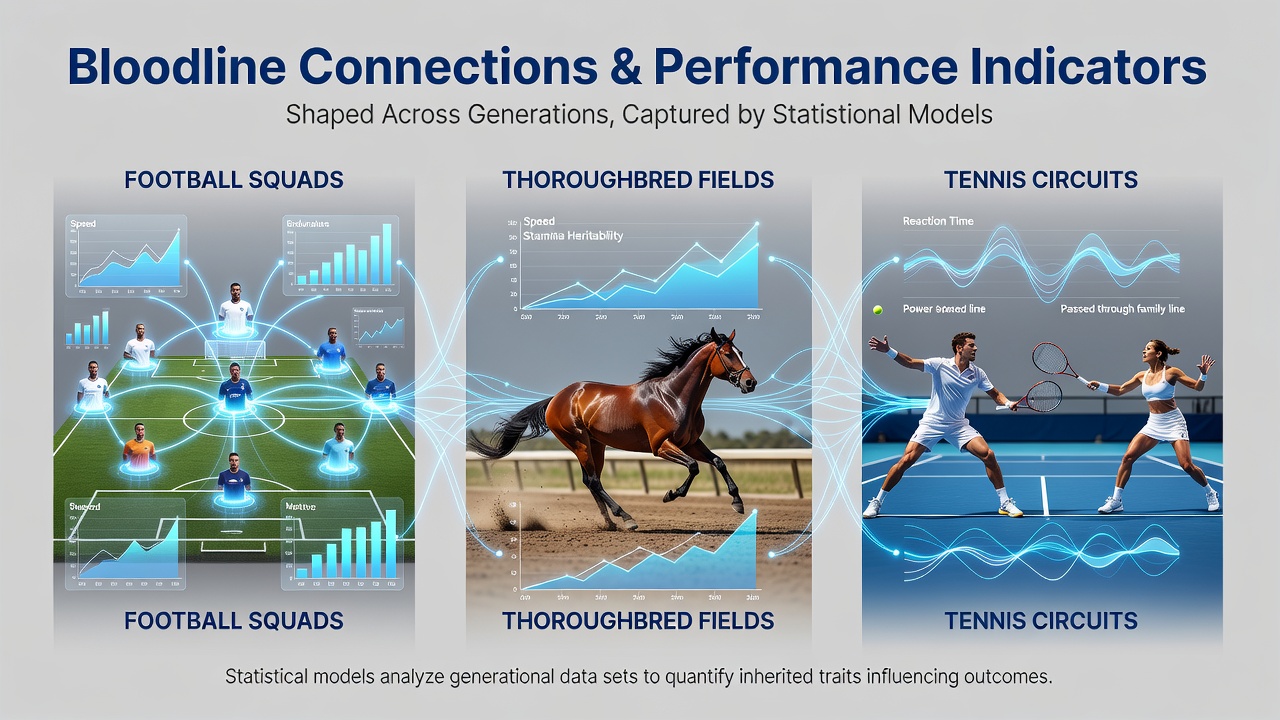
Generational datasets compiled from stud books, player registries, and genomic repositories reveal measurable correlations between ancestry and key performance metrics in football, thoroughbred racing, and tennis. Researchers at institutions across multiple continents have assembled multi-decade records that link parental and grandparental traits to offspring outcomes in speed, endurance, and tactical execution.
Thoroughbred racing maintains the most extensive pedigree archives, with databases tracing every registered foal back through twenty or more generations. These records show that progeny of certain stallions consistently post higher average speed figures over specific distances, while dam lines contribute distinct stamina profiles. Statistical models applied to these archives isolate heritability estimates for traits such as finishing kick and recovery time between races.
Football Family Patterns in Performance Metrics
Football squads display similar lineage effects when analysts examine academy intake and senior-team output. Longitudinal studies of European and South American leagues indicate that players whose fathers or uncles competed at professional levels reach first-team debuts at younger ages on average and record higher pass-completion percentages in their initial seasons. Data collected through 2025 and updated in July 2026 by national federations demonstrate that these advantages persist after controlling for socioeconomic factors and early training access.
Models built on these generational sets use regression techniques to predict expected goal contributions and defensive actions per 90 minutes. The inputs include not only direct parental performance but also sibling correlations and extended-family athletic histories. Clubs in several top leagues now incorporate these ancestry variables into scouting algorithms alongside traditional physical testing.
Tennis Circuits and Kinship Data
Tennis governing bodies and independent researchers have begun integrating family-history variables into performance forecasting. Junior and professional circuits supply match-level statistics that allow comparison of players from the same bloodlines across different surfaces and tournament tiers. Sibling pairs and parent-child combinations appear in datasets at rates exceeding random expectation, with shared patterns in serve velocity and movement efficiency emerging from biomechanical records.
Generational models capture these relationships through mixed-effects frameworks that separate genetic from environmental contributions. When researchers apply these frameworks to ATP and WTA archives, they find measurable advantages in rally tolerance and tie-break conversion for competitors whose immediate relatives reached elite levels. Updates released in mid-2026 incorporated newly digitized junior-circuit results from the previous decade, refining coefficient estimates for several key indicators.
Cross-Sport Statistical Approaches
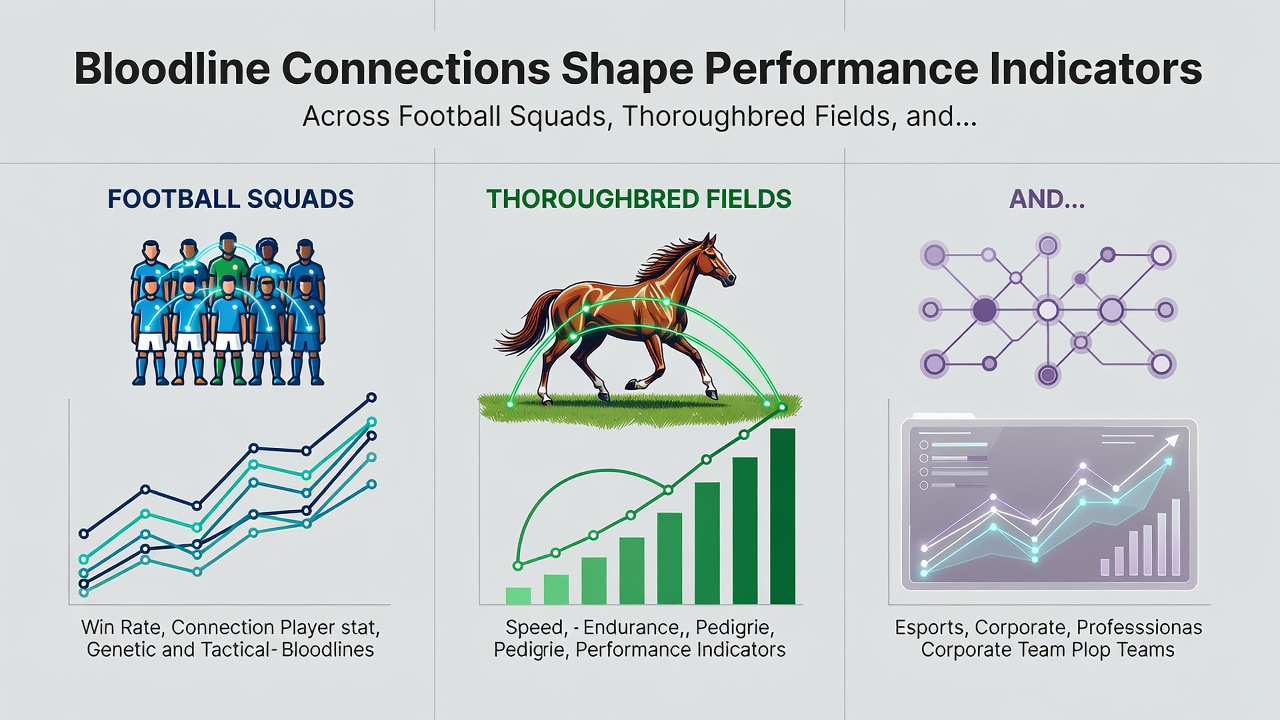
Comparative analyses now draw on unified datasets that standardize performance indicators across the three domains. Researchers map football expected goals, thoroughbred sectional times, and tennis rally-win percentages onto common scales that permit direct comparison of heritability magnitudes. These standardized metrics reveal that certain bloodline clusters maintain elevated values across all three sports even after accounting for training volume and competition exposure.
Public health and sports-science agencies in Australia and Canada have contributed anonymized genomic and performance repositories that supplement commercial databases. Reports from these repositories supply additional validation for the models used by European analysts. The combined evidence indicates that multi-generational tracking improves forecast accuracy by measurable margins in each sport.
Implementation in Current Data Systems
Betting-analysis platforms and club recruitment departments increasingly embed ancestry modules within existing statistical pipelines. These modules query relational databases that store both performance outcomes and family linkages, then output adjusted projections for upcoming fixtures, races, and matches. In July 2026 several federations expanded public data releases to include anonymized lineage tags, allowing independent researchers to test and refine the same models.
Thoroughbred organizations have long supplied open pedigree files, while football and tennis bodies have moved toward similar transparency for academy and junior records. The resulting datasets enable repeated cross-validation of heritability estimates across seasons and geographies.
Conclusion
Generational data sets compiled from football registries, thoroughbred stud books, and tennis match archives demonstrate consistent statistical links between bloodlines and performance indicators. Models that incorporate these linkages produce refined projections for squads, fields, and circuits. Continued expansion of shared repositories through 2026 and beyond will allow further calibration of these relationships across all three domains.