Sentiment Waves: Capturing Public Buzz to Refine In-Play Decisions Across Pitch, Court, and Course
Hugo Reed · Jun 12, 2026
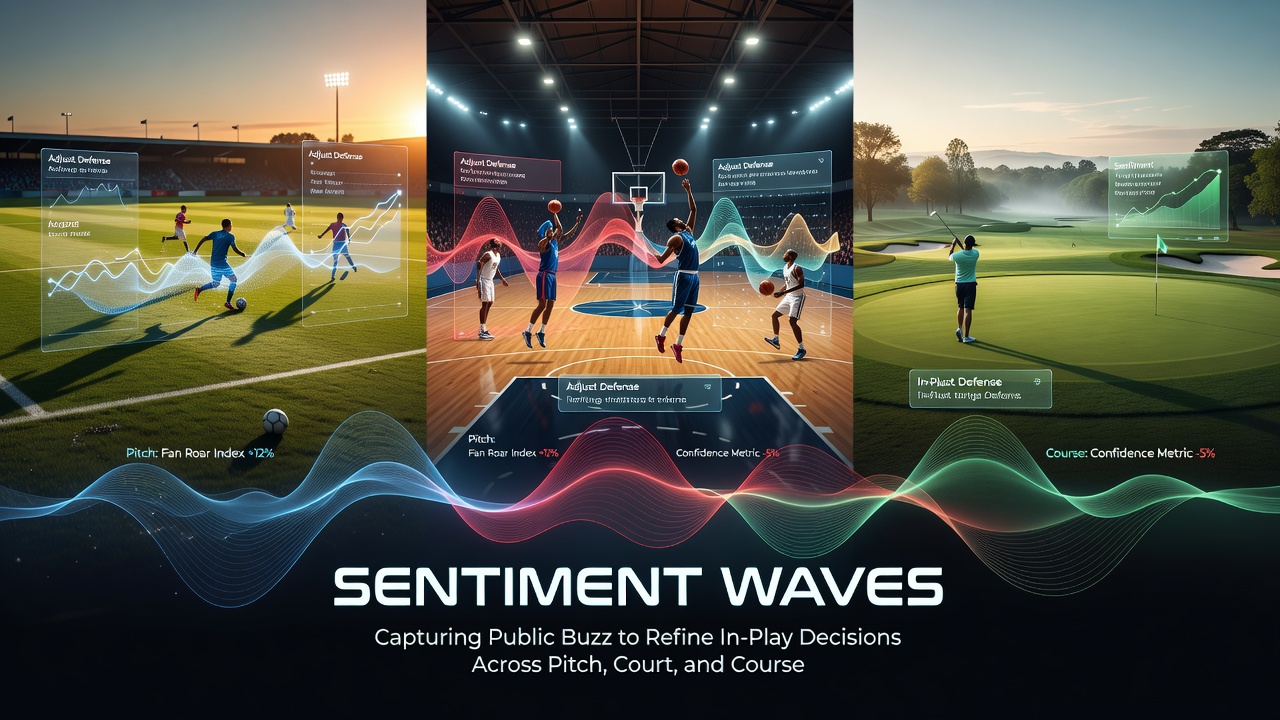
Sentiment Waves: Capturing Public Buzz to Refine In-Play Decisions Across Pitch, Court, and Course
Public buzz generated through social platforms and news outlets creates measurable waves that data analysts track during live sporting events, and these patterns help refine in-play wagering strategies on football pitches, tennis courts, and racing courses alike. Researchers at institutions such as the Australian Gambling Research Centre have documented how sentiment shifts correlate with betting volume spikes in multiple sports, particularly when matches unfold in real time. Observers note that algorithms now parse millions of posts per minute to quantify positive or negative momentum, which then informs adjustments to odds and decision frameworks used by professional bettors.
Football matches provide clear examples of this process because crowd reactions often intensify around goals, red cards, or managerial changes. Data from European leagues shows that spikes in negative sentiment on platforms like X and Reddit frequently precede drops in team performance metrics during the second half, and analysts incorporate these signals to time entries on live markets. In June 2026, when the FIFA World Cup expands across North American venues, such tools are expected to handle unprecedented volumes of global chatter as matches overlap across time zones.
Tracking Sentiment in Tennis Matches
Tennis offers a more contained environment for sentiment capture since individual player narratives dominate discussions, yet the pace remains fast enough that in-play decisions hinge on rapid interpretation. Studies from the University of Nevada’s International Gaming Institute indicate that mentions of fatigue or injury during long rallies produce measurable sentiment dips that align with shifts in point-win probabilities. Bettors monitoring these trends adjust stakes on sets or games where public perception diverges from statistical models, especially in best-of-five formats that stretch across multiple hours.
Clay-court specialists often see sentiment waves build gradually over tournament weeks, whereas hard-court events generate sharper spikes around tiebreaks. Those who integrate real-time buzz metrics report tighter alignment between predicted and actual outcomes when player form narratives evolve mid-match, and the same methodology extends to scheduling considerations such as back-to-back days or recovery windows between rounds.
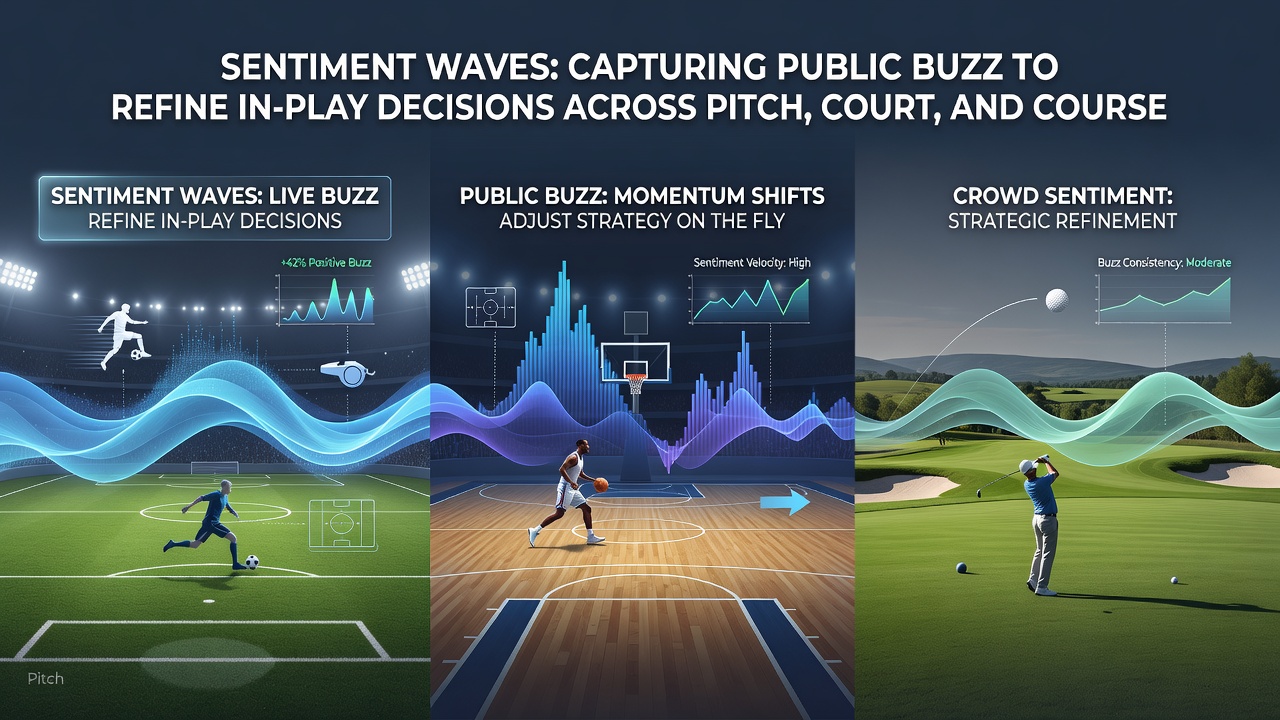
Applying Buzz Analysis to Horse Racing
Horse racing presents distinct challenges because sentiment often centers on trainer comments, jockey changes, or track conditions rather than team dynamics. Figures from the Responsible Gambling Council of Canada reveal that late scratches or weather updates trigger concentrated discussion clusters that precede market movements in both win and place pools. In-play platforms now embed natural-language processing layers that flag these clusters within seconds of posting, allowing adjustments to exotic bets such as exactas or trifectas while races are still running.
Flat races generate shorter sentiment cycles compared with jumps events, where faller discussions can sustain longer negative waves. Analysts cross-reference these patterns against historical pace data to identify when public overreaction creates temporary value on under-discussed runners, and the same frameworks apply across turf surfaces worldwide.
Integration Methods Across Sports
Unified platforms combine sentiment scores from multiple sources into dashboards that display pitch, court, and course events simultaneously. These systems weight variables differently depending on sport-specific factors such as stoppage time in football, changeover delays in tennis, and post-parade movements in racing. Evidence collected through academic-industry partnerships shows improved calibration of live odds when sentiment inputs supplement traditional statistics like possession rates or speed figures.
June 2026 schedules will test these integrations at scale because overlapping international fixtures coincide with major racing festivals and tennis majors. Operators have already begun expanding API access to sentiment feeds so that professional users can layer the data into custom models without latency issues.
Conclusion
Sentiment wave analysis continues to evolve as a supplementary layer for in-play decisions, connecting public discourse directly to market adjustments across football, tennis, and horse racing. Data from regulatory research bodies and academic centers demonstrates consistent correlations between buzz patterns and performance shifts, while technological refinements keep pace with event calendars through 2026 and beyond. Those who study these intersections gain access to additional signals that complement conventional statistics without replacing them.